WattRankWattRank

The Best Plug-In Solar Kits & Setup Guides

Last reviewed
  • Compare grid-tied plug-in solar kits using like-for-like specifications
  • Check the rules in your country or state before choosing a system
  • See pricing, output, included hardware, and certification evidence
  • Use independent tools to estimate savings and fit for your home
Worldwide rankingsLegality by country & stateEvidence-first comparisons

Top picks 2026

Plug-In Solar Kits at a Glance

Configurations are shown separately so panel kits, inverter-only products, and battery bundles are not treated as equivalent.

Featured product fact sheet
1Not VerifiedAvailable: EU
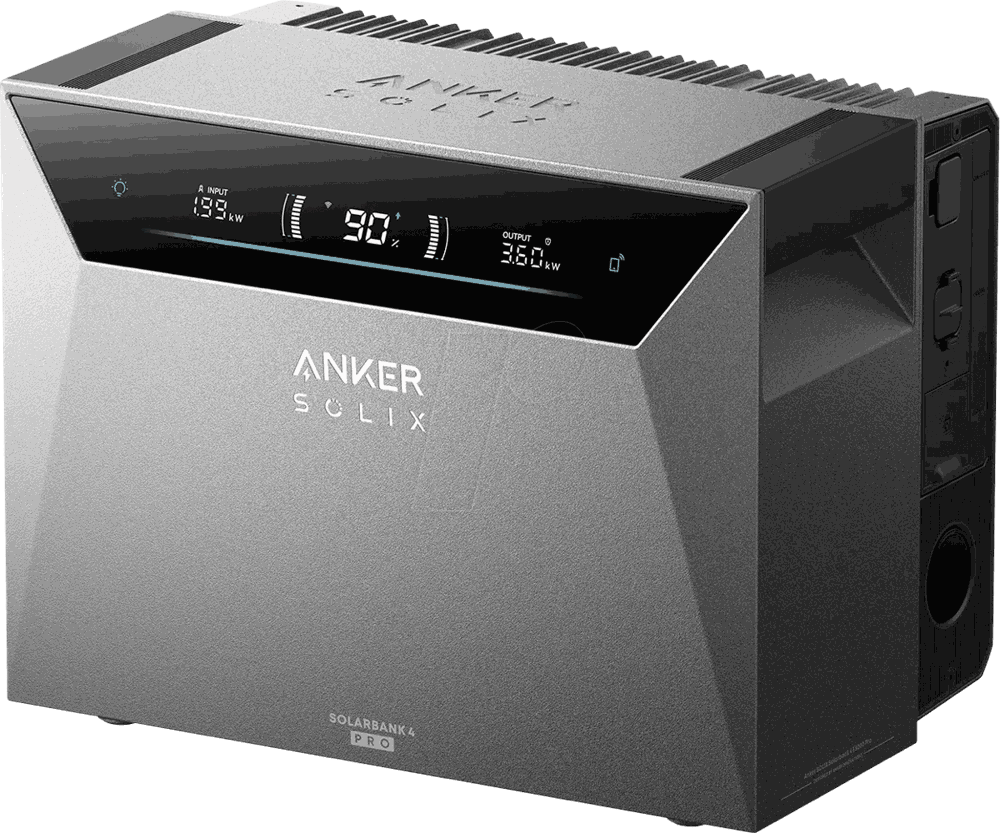
Anker SOLIX Solarbank 4 E5000 Pro product image
9.0Excellent

Anker SOLIX Solarbank 4 E5000 Pro5.024 kWh storage unit with integrated inverter; solar panels are not included in the base configuration.

  • 800 W grid-tie output
  • 2,500 W hardware output
  • Panels sold separately
  • 5,024 Wh battery
  • Mounting excluded
  • Warranty term not verified
  • Listings: NL
  • UL 3700 system evidence not verified
2Regional listingAvailable: US
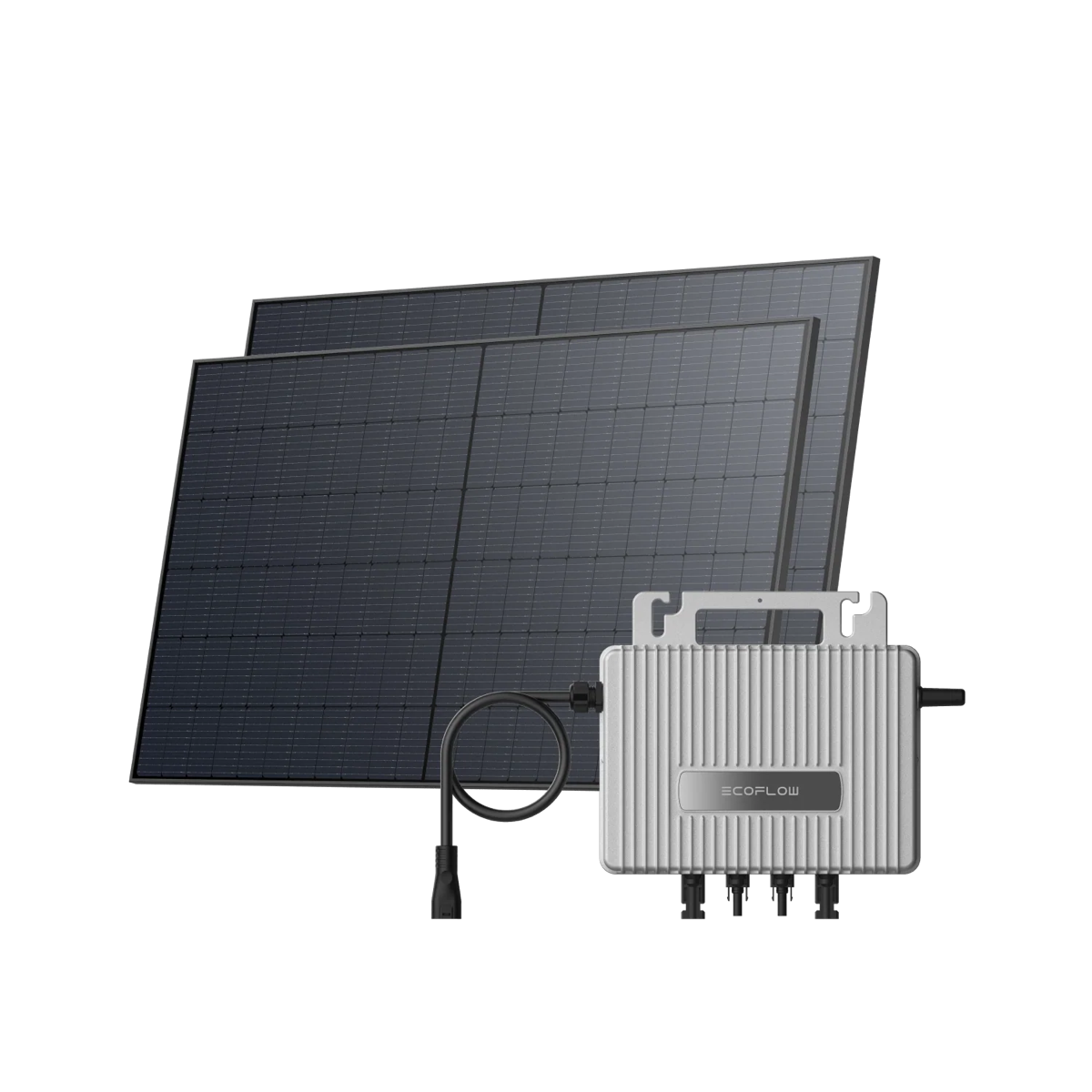
EcoFlow STREAM Microinverter product image
8.6Very good

EcoFlow STREAM MicroinverterSTREAM Microinverter only; solar panels and battery are not included.

  • 1,200 W grid-tie output
  • Panels sold separately
  • No battery option listed
  • Mounting excluded
  • Warranty term not verified
  • Listings: UT
  • UL 3700 system evidence not verified
3In stockAvailable: US
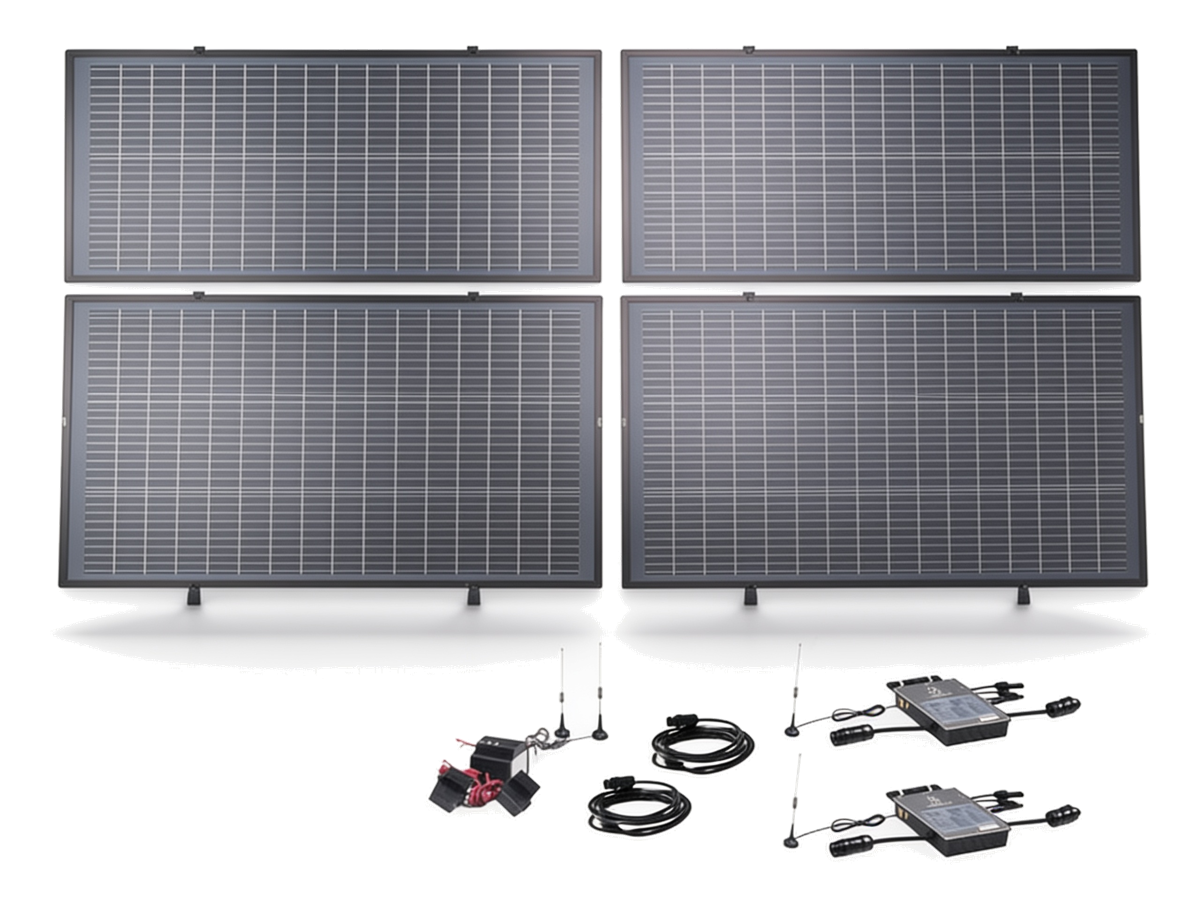
CraftStrom 800 Watt Plug&Play Solar product image
8.4Very good

CraftStrom 800 Watt Plug&Play SolarFour panels, two smart inverters, PowerMeter, mounting hardware and connection cables.

  • 700 W grid-tie output
  • 800 W hardware output
  • 4 panels included
  • No battery option listed
  • Mounting included
  • 10-year warranty
  • Listings: US
  • UL 3700 system evidence not verified

What Is Plug-In Solar?

A grid-tied plug-in solar kit uses solar panels and a microinverter to supply power through a dedicated household connection. It is different from a solar generator, which stores energy for off-grid use, and from a panel-only package that lacks the equipment needed to feed usable AC power into a home.

Rules vary by country, state, utility, system output, and equipment. WattRank keeps product facts and legal guidance separate so you can reach the right conclusion for your location.

How to Choose a Kit

1

Check location

Start with your state and utility rules. A missing streamlined framework does not automatically mean a system is prohibited.

2

Match the configuration

Separate complete panel kits from inverter-only products and battery bundles before comparing price or output.

3

Verify the evidence

Check the system-level certification claim, included hardware, retailer, current price, and installation requirements.

Location first

Check plug-in solar rules

Get a location-specific starting point, including statutory status, effective dates, watt limits, and utility caveats where evidence is available.

Check my location

Estimate first

Model your potential savings

Use your electricity rate, system size, solar production, and self-consumption assumptions to estimate a range—not a sales promise.

Calculate savings