
Vermont Plug-In Solar Laws
 By Daniel Okafor · Last reviewed
 Vermont is classified as effective framework. Confirm implementation requirements with utility. The tracked limit is 1,200 W; confirm the final law, exact product and serving-utility process before connection.
Current status
Effective framework
A specific statewide route is in force for qualifying devices. Verify the exact system, site, circuit and serving-utility process before connection.
Key facts
- Status: Effective framework
- Bill: S.202
- Effective date: 2026-07-01
- Watt limit: 1,200 W
Check your location
Framework status and exact product eligibility are separate checks.
What this means today
Vermont's S.202 framework took effect July 1, 2026 with a tracked 1,200 W ceiling. Consumers can assess qualifying systems now, but should confirm the current procedure with Green Mountain Power or the relevant municipal or cooperative utility, especially notice, meter behaviour and export treatment.
Snow, freeze-thaw, wind and winter shade can dominate mounting and economics. Balcony rails are not automatically solar supports. Follow the product instructions, preserve exits, and compare daytime generation with daytime consumption rather than assuming all annual production offsets the full retail rate.
What S.202 says
The Vermont Legislature identifies S.202 as Act 149. The dataset records its 1,200 W limit and July 1, 2026 effective date.
Read the official bill record ↗
Your serving utility still matters
Confirm implementation requirements with utility.
Pre-purchase checklist
- 1Confirm continuous inverter AC output is no more than 1,200 W; panel DC nameplate watts are a different measurement.
- 2Ask the serving utility for its current Vermont notice, registration, metering and export procedure.
- 3Verify complete-system safety evidence, anti-islanding, plug and branch-circuit requirements; a listed component is not a listed system.
- 4Obtain landlord or HOA consent and check local electrical, planning, fire and structural rules.
- 5Check mounting for snow, ice and wind loads at the specific site.
Products within the tracked limit
These products are marked as US-available, in stock and at or below the tracked AC watt cap. A dataset match is not a finding of legal compliance or verified system-level certification.
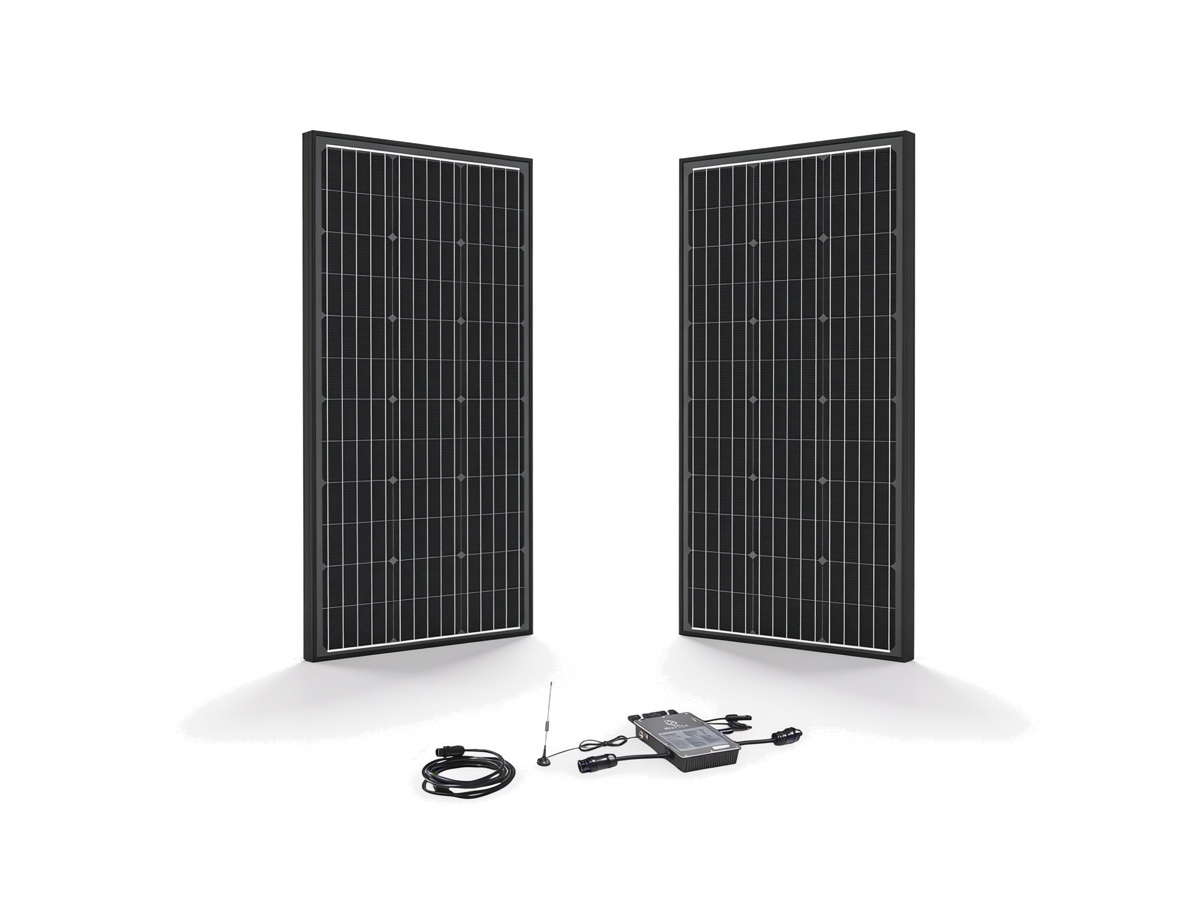
CraftStrom 400 Watt Plug&Play Solar — Two panels, one smart inverter, AC cable and mounting hardware; the PowerMeter is not included in this configuration.
- 350 W grid-tie output
- 400 W hardware output
- 2 panels included
- No battery option listed
- Mounting included
- 10-year warranty
- Listings: US
- UL 3700 system evidence not verified
CraftStrom 400 Watt Plug&Play Solar — Two panels, one smart inverter, AC cable and mounting hardware; the PowerMeter is not included in this configuration.
- 350 W grid-tie output
- 400 W hardware output
- 2 panels included
- No battery option listed
- Mounting included
- 10-year warranty
- Listings: US
- UL 3700 system evidence not verified
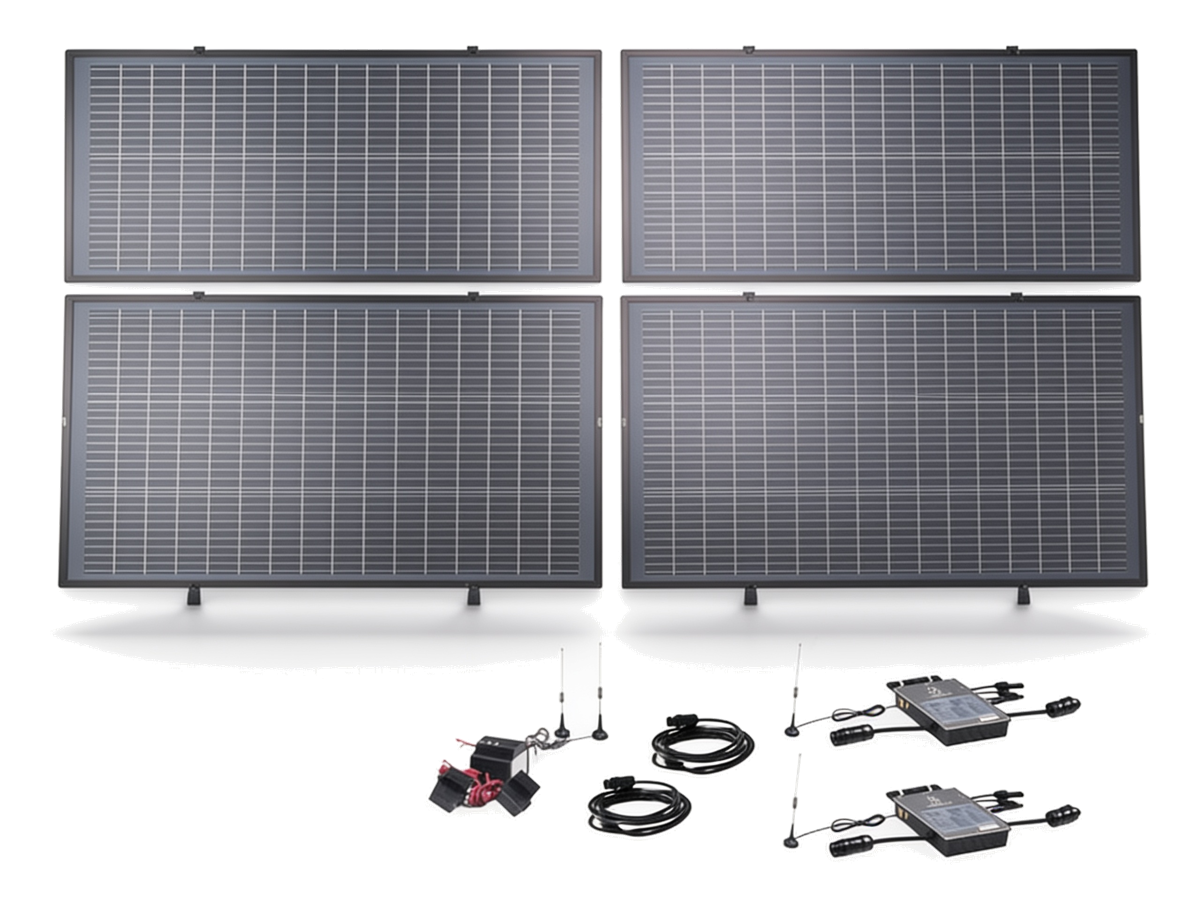
CraftStrom 800 Watt Plug&Play Solar — Four panels, two smart inverters, PowerMeter, mounting hardware and connection cables.
- 700 W grid-tie output
- 800 W hardware output
- 4 panels included
- No battery option listed
- Mounting included
- 10-year warranty
- Listings: US
- UL 3700 system evidence not verified
CraftStrom 800 Watt Plug&Play Solar — Four panels, two smart inverters, PowerMeter, mounting hardware and connection cables.
- 700 W grid-tie output
- 800 W hardware output
- 4 panels included
- No battery option listed
- Mounting included
- 10-year warranty
- Listings: US
- UL 3700 system evidence not verified
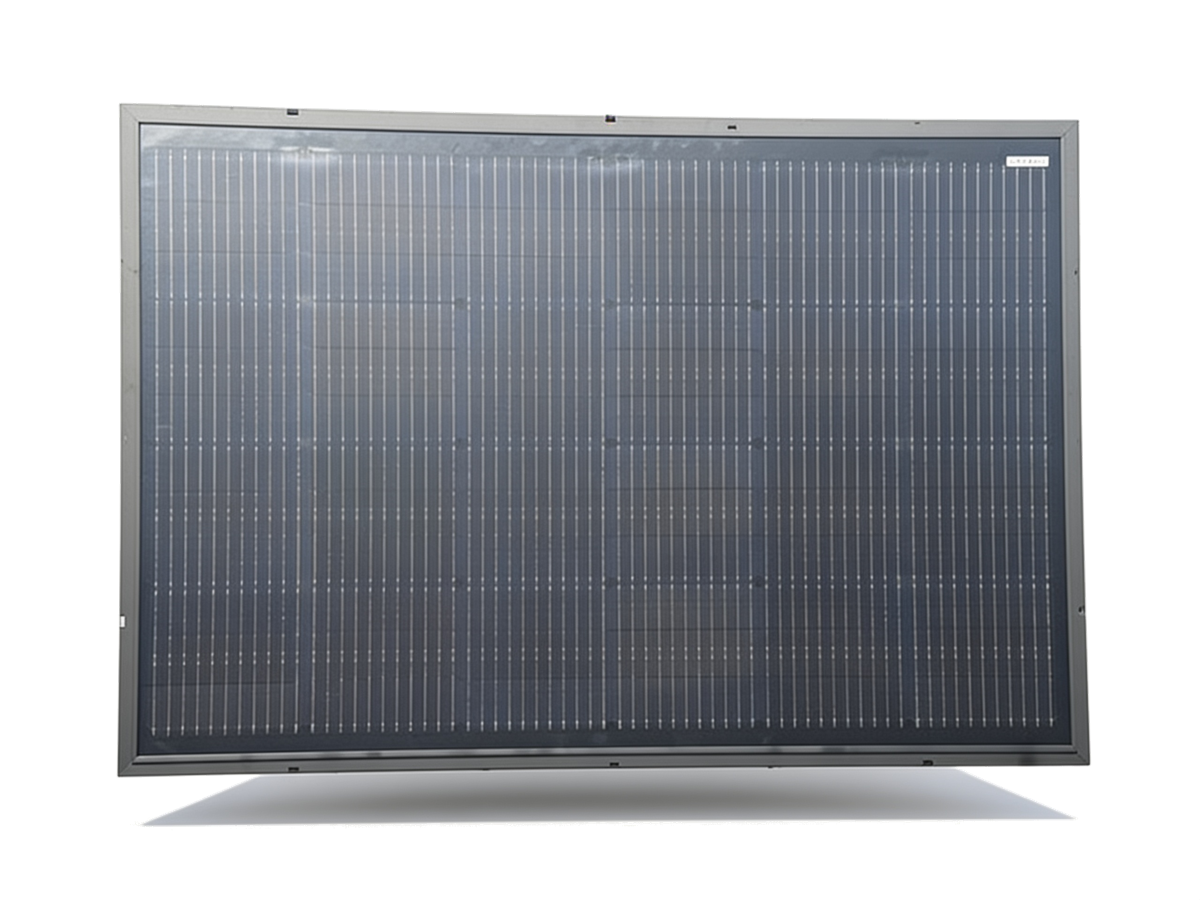
Bright Saver Flex180 single-panel kit — One 180 W flexible panel, one 120 V inverter, AC cable and self-install instructions; mounting hardware is not listed as included.
- 180 W grid-tie output
- 1 panels included
- No battery option listed
- Mounting excluded
- Warranty term not verified
- Listings: US
- UL 3700 system evidence not verified
Bright Saver Flex180 single-panel kit — One 180 W flexible panel, one 120 V inverter, AC cable and self-install instructions; mounting hardware is not listed as included.
- 180 W grid-tie output
- 1 panels included
- No battery option listed
- Mounting excluded
- Warranty term not verified
- Listings: US
- UL 3700 system evidence not verified
Model value with the savings calculator and review the safety guide.
Primary sources
Frequently asked questions
Can I use plug-in solar in Vermont today?
Vermont has an effective statewide framework for qualifying devices. Product, electrical, property and utility conditions still need checking.
Does the watt limit refer to panel watts?
Do not assume so. Compare the final law’s definition with continuous inverter AC output; panel DC nameplate capacity is a different figure.
Will exported electricity be credited?
No export payment or retail credit is assumed here. Ask the serving utility how the meter treats surplus generation and size around daytime self-consumption.
Does a compliant product remove landlord or HOA rules?
No. State energy rules do not grant permission to alter a rented home, common property, balcony rail or façade. Obtain written consent and check local requirements.
Is system-level UL 3700 certification verified for these products?
No product is presented here as having verified system-level UL 3700 evidence. Confirm the precise complete-system listing and all conditions before purchase.